large transportation vehicles in modern logistics
What defines them
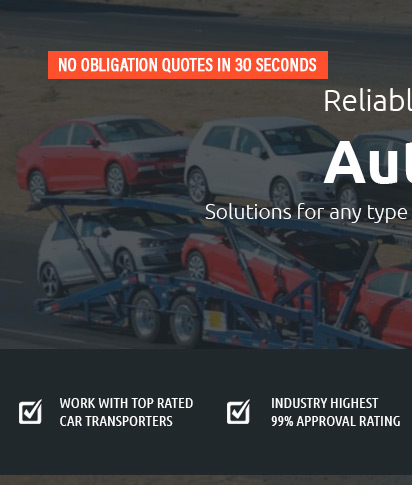
From articulated trucks and intercity coaches to freight trains, roll-on/roll-off ferries, and widebody cargo jets, large transportation vehicles move the heaviest loads over long distances. They combine powerful engines, reinforced frames, and specialized loading systems to keep goods and passengers flowing reliably.
Common concerns answered
Safety: Modern fleets use collision avoidance, stability control, and rigorous inspections. Emissions: Cleaner fuels, electrification, and aerodynamic design reduce impact while meeting standards. Cost: High upfront prices are offset by efficiency, payload capacity, and long service life.
- Scheduling: Telematics improves routing and turnaround, cutting idle time.
- Noise: Quieter drivetrains and better insulation lower urban disturbance.
- Infrastructure: Bridges, depots, and ports dictate allowable dimensions and axle loads.
- Training: Licensing and recurrent practice keep operators prepared for extremes.
Why they matter
These machines knit supply chains together, supporting grocery shelves, construction timelines, and disaster relief. When sized and managed well, they replace dozens of smaller trips, easing congestion and saving fuel. Choosing the right platform-and maintaining it-turns sheer mass into dependable mobility.